
There is a quiet struggle happening at kitchen tables all across South Carolina.
You can see it in the pause before a parent swipes a debit card at the grocery store.
You can feel it when a working man watches the gas pump climb higher than his paycheck can comfortably handle.
You can hear it in the conversations about rent, daycare, student loans, school supplies, and the rising cost of simply trying to live with dignity.
That is where politics becomes real.
Not in committee rooms.
Not in consultant memos.
Not in the hollow speeches of party insiders who talk about working people but rarely seem to fight for them.
Politics becomes real at the kitchen table.
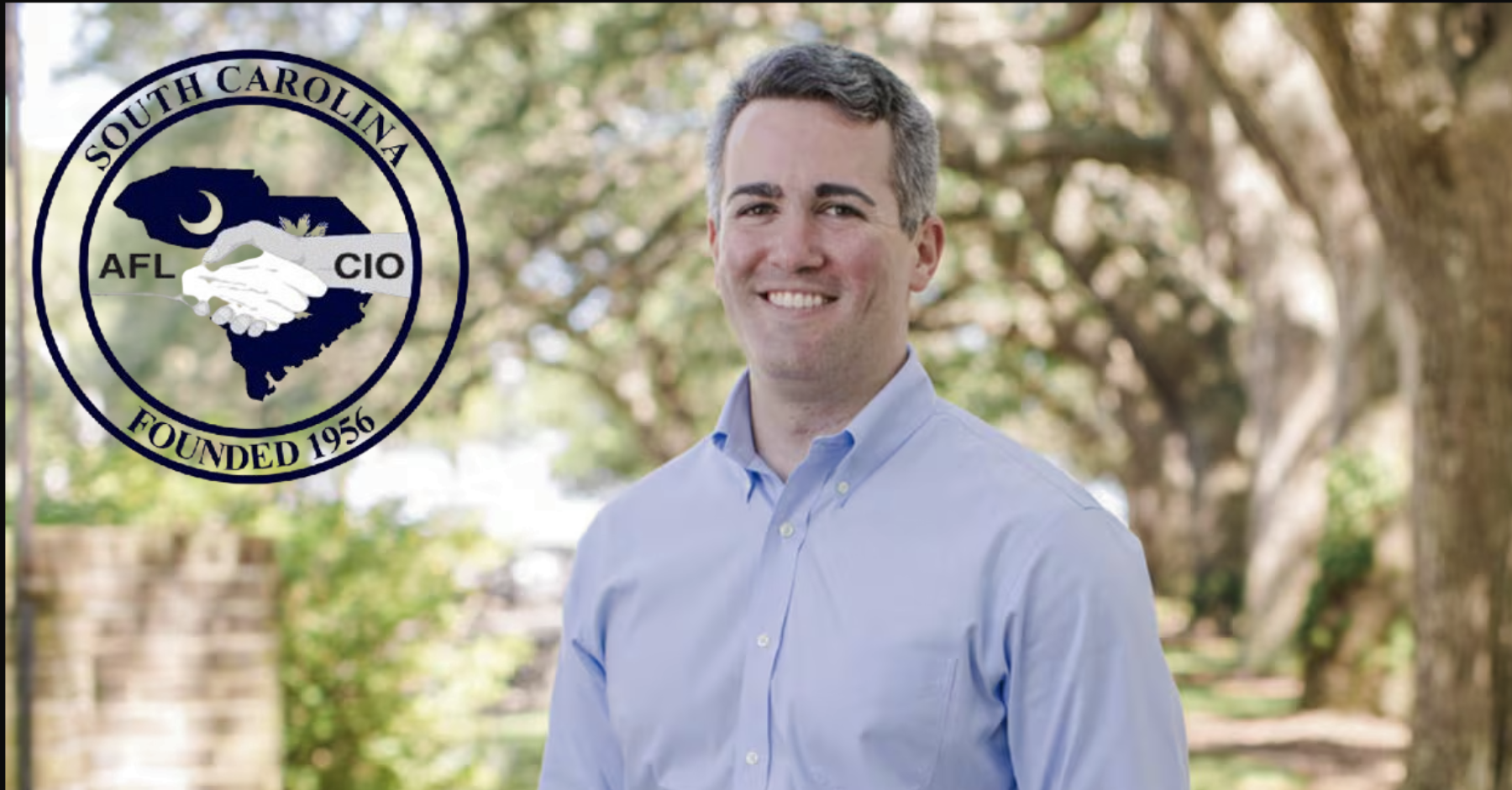
That is why Mullins McLeod’s message matters.
When McLeod says government should not make it harder for families to buy groceries, he is speaking a language working people understand immediately. When he talks about the burden of the gas tax, he is talking about more than fuel. He is talking about the daily cost of survival in a state where too many people work hard, do right, and still fall behind.
That is not just policy.
That is the politics of the kitchen table.
For too long, South Carolina politics has been dominated by people who know how to protect systems, insiders, and corporate interests, but never seem to have the same urgency when it comes to protecting ordinary families. McLeod’s message cuts through that fog because it puts people first.
Black voters understand this message because we have lived the consequences of economic neglect. We know what it means to be loyal to a political system that shows up for our votes more consistently than it shows up for our needs. We know what it means to carry communities through elections while still being asked to settle for less in housing, education, wages, healthcare, and investment.
But this message also reaches rural voters, working-class white voters, young voters, independent voters, and every South Carolinian tired of being treated like an afterthought in their own state.
Because struggle has a language of its own.
And Mullins McLeod is speaking it.
His message is not built around abstract ideology. It is rooted in daily pressure: grocery bills, gas prices, underpaid teachers, student loan debt, families trying to keep their heads above water while politicians celebrate “economic growth” that never seems to reach the people doing the actual labor.
That is what makes this campaign powerful.
It begins where people live.
The kitchen table is where families decide which bill gets paid first.
It is where parents calculate whether they can afford daycare and groceries in the same week.
It is where graduates stare down student loans before they ever get a fair shot at building wealth.
It is where teachers, after pouring into other people’s children all day, wonder why their own profession is still treated like a sacrifice instead of a public treasure.
McLeod’s appeal is that he is not asking voters to celebrate their suffering. He is not asking them to be patient while the same political class keeps making the same promises. He is giving voice to a frustration that has been building for years in churches, barbershops, beauty salons, union halls, school pickup lines, and small-town diners across this state.
That matters.
Because the best political messages are not invented. They are recognized.
McLeod has recognized something many candidates miss: when people are hurting economically, they are not looking for cleverness. They are looking for courage. They are looking for somebody who understands that every extra tax, every unnecessary fee, every ignored burden, and every policy that makes daily life harder is not just bad governance.
It is disrespect.
South Carolina does not need more politicians who can make speeches in Columbia while families make sacrifices in silence.
South Carolina needs leadership that sees the grocery bill as political.
That sees the gas tank as political.
That sees daycare, debt, teacher pay, and the cost of living as political.
That understands economic pain is not separate from public policy. It is often the result of public policy.
That is why Mullins McLeod’s message has weight.
It is not just about groceries.
It is not just about the gas tax.
It is not just about one campaign promise.
It is about whether government serves the people or squeezes them.
It is about whether South Carolina will keep rewarding the powerful while demanding endurance from everyone else.
It is about whether someone is finally willing to stand up and say working families deserve relief, respect, and real representation.
That is a message voters can feel.
And more importantly, it is a message voters can rally around.
Because in the end, the kitchen table is where politics tells the truth. It is where campaign slogans meet household budgets. It is where promises are measured against pain. It is where hope either survives or breaks.
Mullins McLeod has chosen to build his message there.
That was the right choice.
And South Carolina should be paying attention.