
For years, South Carolina Democrats have approached statewide elections with a familiar strategy: nominate the safest candidate, avoid controversy, hope demographic change eventually shifts the map, and try not to lose too badly in the process.
The problem is that “safe” has rarely translated into competitive.
Again and again, Democratic candidates have entered statewide races underfunded, unable to define themselves early, unable to respond to attacks, and unable to build the kind of operation necessary to compete with well-funded Republican machines. The result has been a cycle of caution that often produces campaigns with little energy, little visibility, and little expectation of victory.
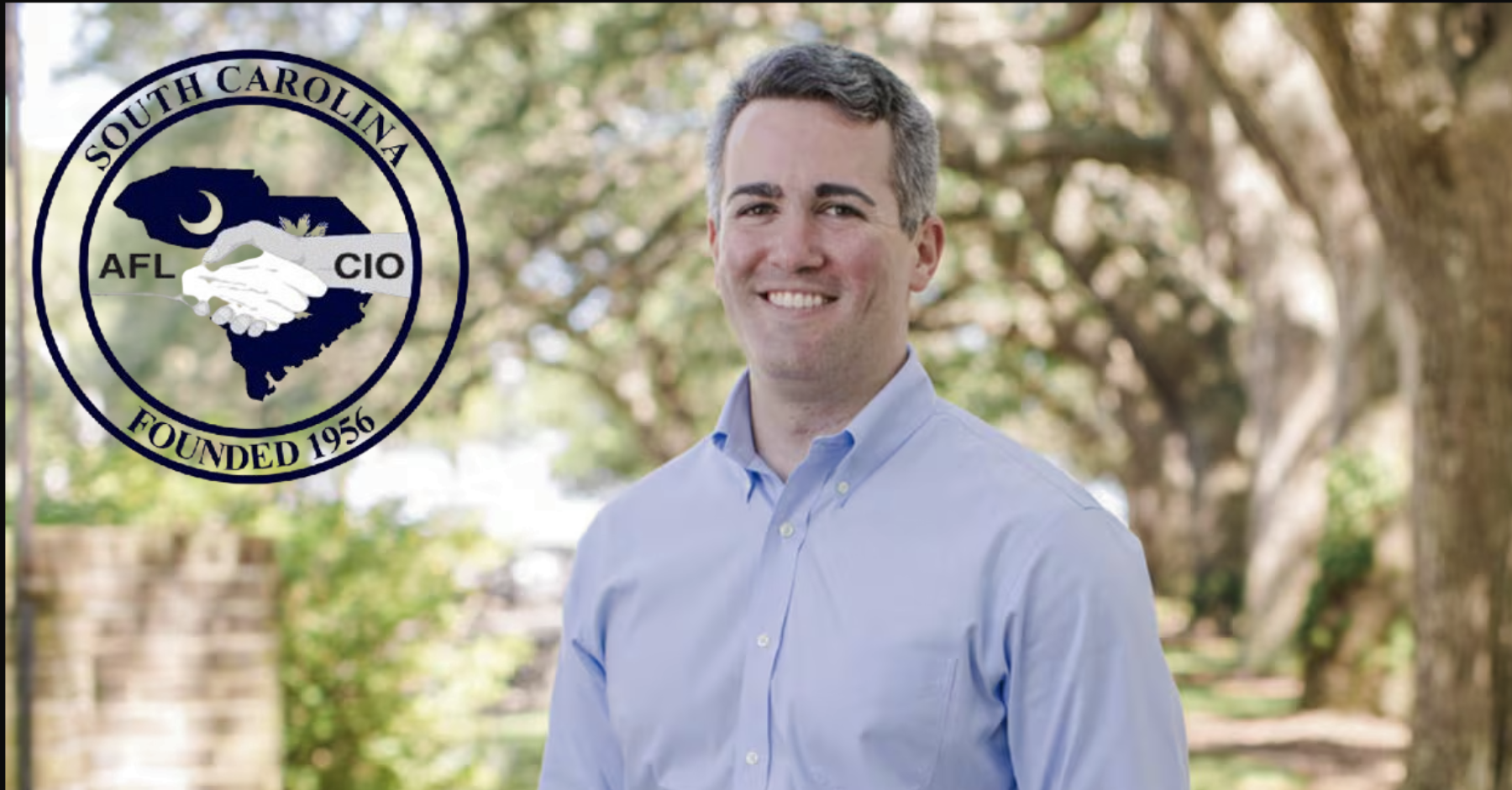
Mullins McLeod is forcing Democrats to confront a difficult question: What if the old definition of electability is part of the problem?
Because whether one supports McLeod or not, his campaign is beginning to challenge assumptions that have shaped Democratic politics in South Carolina for years.
A Different Kind of Democratic Candidate
In political circles, “electability” is often treated as shorthand for predictability. Candidates who are polished, cautious, and acceptable to party insiders are frequently viewed as the safest option.
But statewide campaigns are not won inside consultant circles.
South Carolina remains one of the most difficult states in the country for Democrats to win statewide. Success requires more than party approval. It requires money, message discipline, public recognition, resilience under pressure, and the ability to stay standing after sustained attacks.
That kind of political durability is rare.
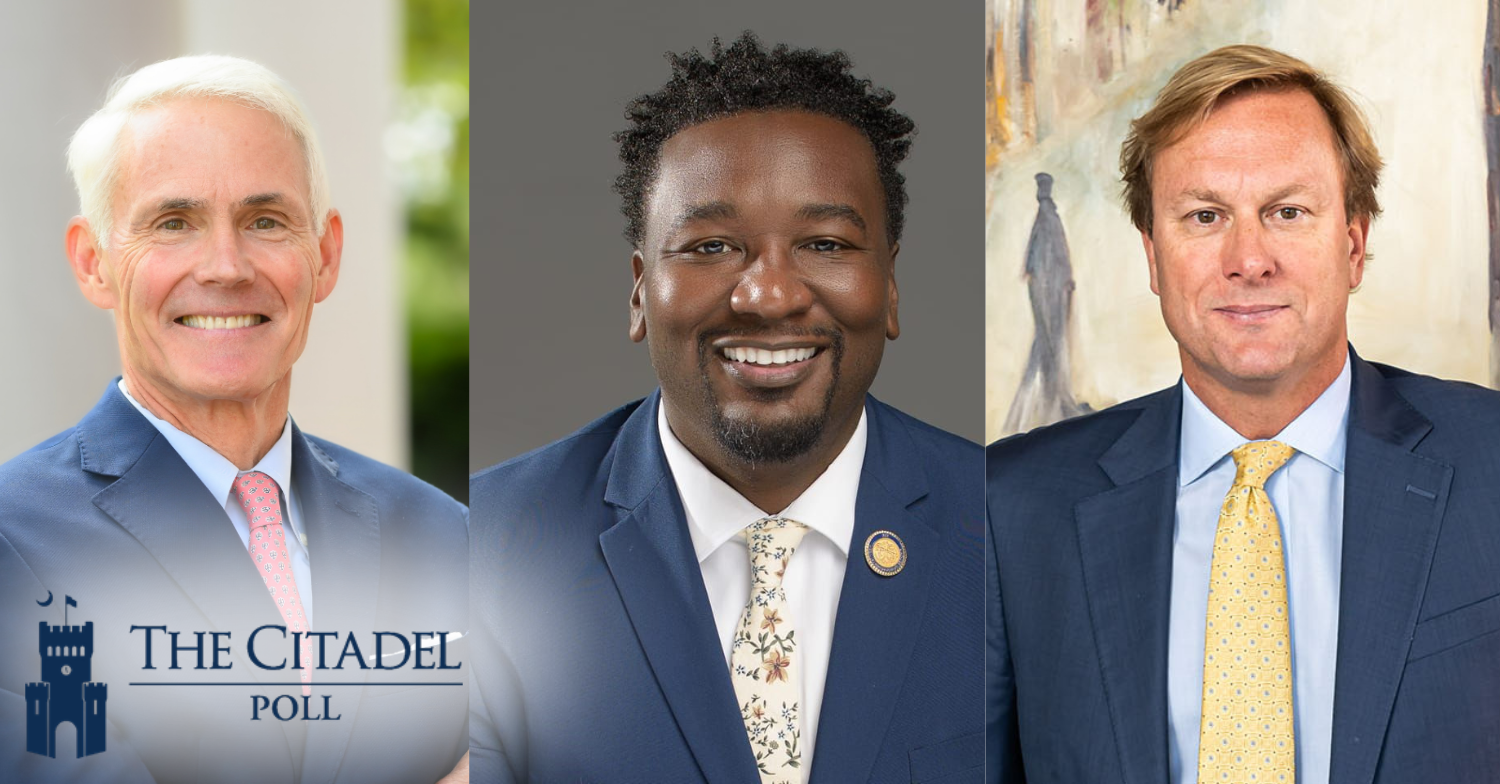
Now, with the Democratic primary approaching, the race has become more active and more visible. Rep. Jermaine Johnson, businessman Billy Webster, and Mullins McLeod are all competing for the nomination, with forums, interviews, and debates beginning to shape the public conversation around who is truly positioned to compete statewide.
That question has become more urgent because McLeod has remained politically relevant despite months of scrutiny and controversy that many initially assumed would end his campaign.
Instead, something else appears to be happening.
As the race continues, more voters are becoming aware of McLeod’s long history in civil rights litigation and his decades of legal work representing individuals, families, and communities against powerful institutions.
For many South Carolinians, particularly younger voters unfamiliar with his legal career, that history is only now becoming widely visible.
The Civil Rights Record Reshaping the Conversation
Long before entering politics, McLeod built a legal career around difficult and politically risky cases. His work in civil rights litigation, including his role in major litigation connected to the Mother Emanuel tragedy in Charleston, gave him credibility as someone willing to confront institutions with significant power and protection.
That history is beginning to matter more as voters look beyond headlines and start evaluating the broader arc of his public life.
Recent renewed attention surrounding McLeod’s civil rights record, including coverage highlighting more than $183 million in civil rights and constitutional verdicts and settlements connected to his legal work, has prompted many voters to take a second look at who he is and what he has spent much of his career doing.
That is especially significant in a Democratic primary electorate where African American voters remain the moral and political backbone of the party.
In South Carolina politics, relationships matter. History matters. Showing up over long periods of time matters.
And despite recent controversy, McLeod continues to maintain longstanding relationships and support within parts of the African American community, particularly among individuals familiar with his legal work, advocacy history, and involvement in civil rights cases across the state.
For some voters, the campaign is no longer simply about one viral moment or one damaging news cycle. It is becoming a broader question about whether a lifetime of legal advocacy and fighting for marginalized communities should outweigh a period of controversy.
That does not erase criticism or political challenges ahead.
But it does complicate the simpler narrative many initially assumed would define the race.
McLeod Brings What Democrats Often Lack
McLeod’s candidacy is unusual not because he perfectly fits the traditional mold of a South Carolina Democrat, but because he does not.
He enters the race with three things Democratic statewide campaigns often struggle to assemble at the same time: resources, a long public record, and independence from donor pressure.
Financially, McLeod remains one of the strongest-positioned Democrats in the race. Recent campaign finance reports show him leading the Democratic field in cash on hand while remaining competitive in a statewide environment where Republican contenders continue building major financial operations of their own.
That level of fundraising changes the practical realities of a campaign. It allows a candidate to stay visible, organize statewide, respond quickly to attacks, and survive moments that would cripple weaker operations.
Campaigns without resources rarely recover from controversy.
Campaigns with structure and resources at least have the ability to fight through it.
McLeod has also framed his self-funding strategy as an attempt to remain accountable primarily to voters rather than major donors or special interests.
“I am spending a portion of my life savings to help fund my campaign because I believe the people of South Carolina deserve a Governor who belongs to them and nobody else.”
Critics may debate the approach, but the argument taps into a frustration many Democratic voters already share about the influence of money in politics and the feeling that elected officials too often become accountable to donors before voters.
To supporters, McLeod’s willingness to personally invest in his campaign reinforces the image of someone willing to put his own resources behind the values he publicly claims to hold.
The Question Democrats Are Now Facing
At the center of this race is a larger question about what Democratic voters actually want from a statewide candidate.
For years, party leaders and consultants have often prioritized stability, predictability, and caution. But many voters increasingly appear drawn to candidates who seem willing to fight, withstand pressure, and challenge political expectations rather than simply manage them.
McLeod’s campaign is forcing South Carolina Democrats to wrestle with whether electability should be defined primarily by insider comfort or by demonstrated resilience, public recognition, fundraising capacity, and deep community relationships built over time.
That debate is becoming more visible as more voters learn who McLeod is beyond the controversy that initially dominated headlines.
Because the deeper story of this campaign may not be whether McLeod faced political damage.
It may be whether his long public record and civil rights history ultimately proved stronger than the narrative built around a single moment.
That does not guarantee victory.
But it does explain why, despite everything, Mullins McLeod remains a serious contender in the South Carolina governor’s race.