With less than a week remaining before Democratic voters head to the polls, the latest Citadel survey delivered what appears to be a clear result.
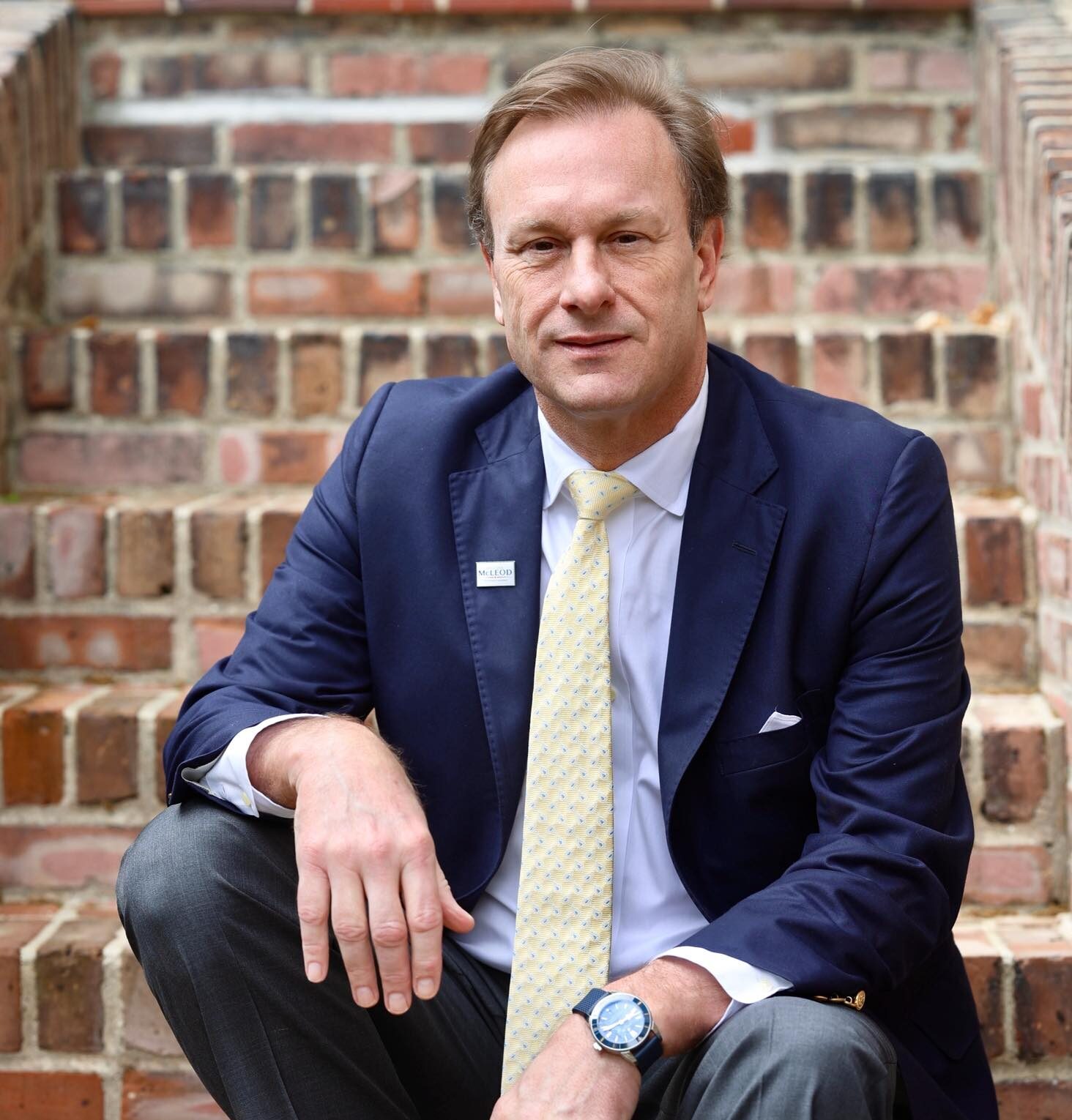
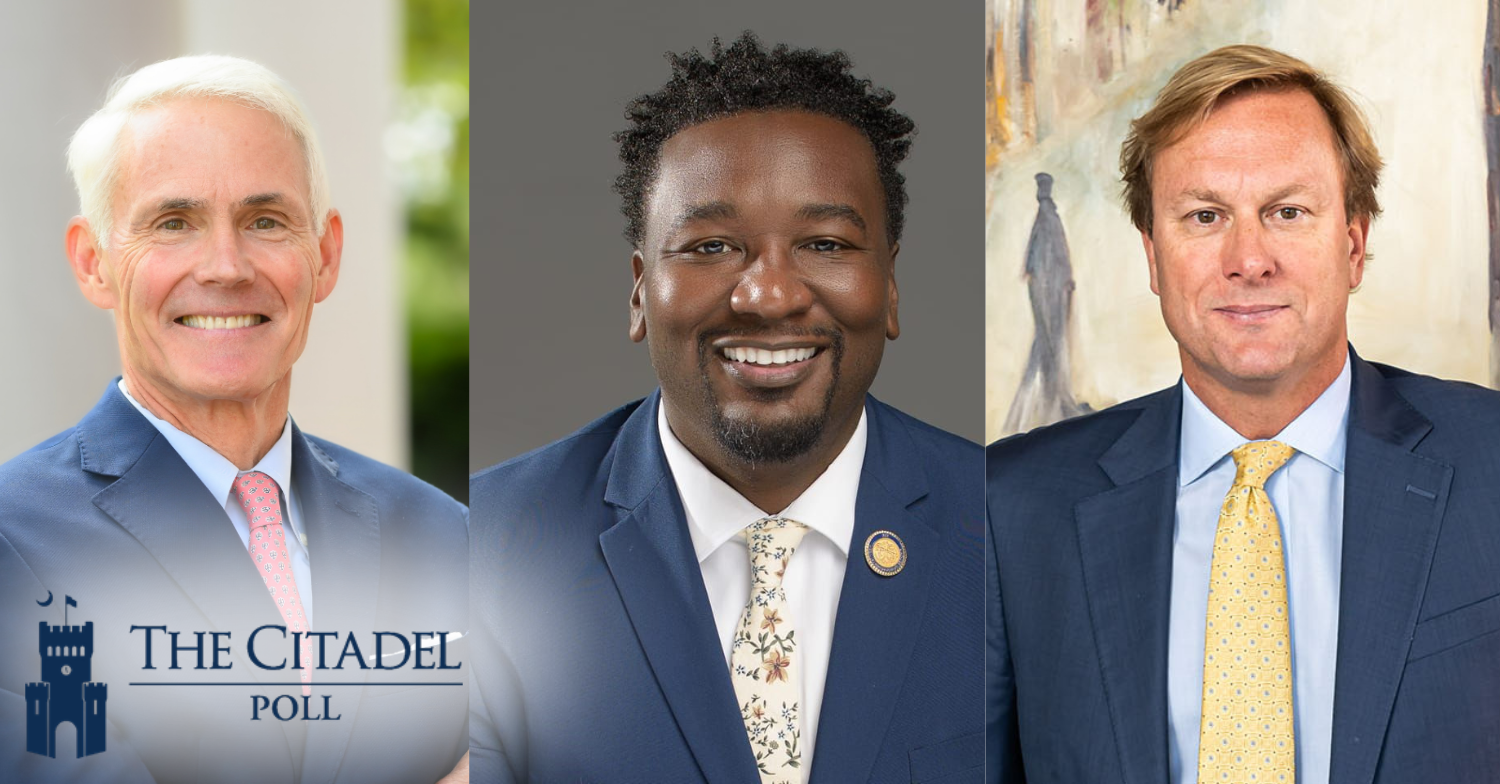
State Representative Jermaine Johnson leads the Democratic gubernatorial field with 33 percent support. Businessman Billy Webster follows at 18 percent, while Charleston attorney Mullins McLeod stands at 6 percent.
But if those are the numbers you walked away talking about, you may have missed the biggest story in the poll.
Forty-three percent of Democratic voters remain undecided.
Read that again.
Nearly half of the Democratic electorate has yet to choose a candidate.
In a race this close to Election Day, that number is remarkable.
It tells us something important: despite months of campaigning, debates, endorsements, advertising, and public appearances, South Carolina Democrats are still shopping. Many voters are still evaluating their options, still weighing the candidates, and still waiting for someone to make a compelling closing argument.
That means this race remains far more fluid than the topline numbers suggest.
Johnson Leads, But Hasn’t Closed the Sale
There is no question that Jermaine Johnson enters the final stretch with the advantage.
His 33 percent support places him well ahead of the field, and voters also view him as the most likely nominee. When asked who they believed would ultimately win the race, Johnson again led comfortably.
That’s significant because momentum and perception matter in politics. Voters often gravitate toward candidates they believe can win.
But Johnson’s position comes with a challenge.
Thirty-three percent is a lead. It is not a majority.
In South Carolina, a candidate must receive more than 50 percent of the vote to avoid a runoff. Johnson’s lead is significant, but it remains well short of the threshold needed to secure the nomination outright.
When nearly half the electorate remains undecided, no candidate can afford to assume the race is over. Johnson has successfully established himself as the frontrunner, but he still must convince a large portion of voters who have yet to commit.
Webster Has Quietly Built a Serious Coalition
While Johnson leads the polls, Billy Webster may have assembled one of the most intriguing coalitions in the race.
Webster has steadily attracted support from influential Democratic figures and donors across South Carolina. His campaign has earned backing from some of the state’s most recognizable Democratic voices, including former Columbia Mayor and former White House senior adviser Steve Benjamin, Democratic strategist and CNN commentator Bakari Sellers, former Charleston Mayor Joe Riley, veteran Democratic power broker Dick Harpootlian, and other prominent party leaders and financial supporters.
Those endorsements alone do not guarantee victory.
But they do signal something important.
Many influential Democrats appear to believe Webster has the potential to emerge as the strongest alternative to Johnson.
The challenge for Webster is translating elite support into voter support.
At 18 percent, he remains well positioned if undecided voters begin looking for a candidate who combines business experience, broad establishment backing, and perceived electability. If there is a late-breaking surge in the race, Webster may be the candidate best positioned to benefit from it.
The question is whether enough voters will make that move before Election Day.
McLeod Continues to Build Support Through Visibility and Contrast
Mullins McLeod remains the wildcard.
While his poll numbers place him behind Johnson and Webster, his campaign has increasingly generated attention as voters become more familiar with his background and message.
McLeod has spent much of the campaign highlighting his record on civil rights issues, voting rights, public corruption, government accountability, and advocacy work. His message has consistently centered on the belief that South Carolina needs stronger ethical leadership and a willingness to confront corruption wherever it exists.
As more African-American voters become acquainted with his civil rights record, his long-standing relationships within the Black community, and his history of advocating on behalf of underserved communities, he appears to be gaining increased attention and support from voters who may not have been familiar with him earlier in the race.
That growing awareness could make McLeod one of the most dangerous candidates in the field.
Not because of where he currently stands in the polls, but because of the potential that exists if more voters continue to learn about his background, his record, and his connection to the African-American community. With nearly half of Democratic voters still undecided, candidates who have not yet fully introduced themselves to the electorate often possess the greatest opportunity for growth.
His recent debate performances reflected that strategy.
Rather than focusing solely on introducing himself, McLeod chose to draw sharp contrasts with his opponents and make the case that Democrats need a fighter capable of standing toe-to-toe with increasingly aggressive Republican leadership.
Whether voters agree with that argument remains to be seen, but from a strategic standpoint, the approach makes sense. Candidates trailing in the polls rarely benefit from caution. They benefit from differentiation.
Perhaps the most interesting finding involving McLeod comes from the poll’s viability question.
While only 6 percent selected him as their preferred candidate, 14 percent said they believed he would ultimately win the nomination.
That gap suggests that some voters may see more potential in his candidacy than current polling numbers reflect. And in a race where 43 percent of voters remain undecided, potential may be one of the most important political assets a candidate can have.
This Is Still a Race About Persuasion
The temptation whenever a poll is released is to focus on who is ahead.
But this poll may be telling us something different.
It may be telling us that Democratic voters have not yet fully made up their minds.
The possibility of a runoff adds another layer of intrigue. If no candidate surpasses 50 percent, the race will extend into a second contest where campaign organization, fundraising capacity, donor networks, and voter turnout operations could become just as important as message and momentum. That reality raises an important question for Democratic voters: Which candidate possesses not only the support to reach a runoff, but also the financial resources and campaign infrastructure necessary to win one — and then mount a competitive statewide challenge in November?
Forty-three percent undecided is not the sign of a settled race. It is the sign of an electorate that is still evaluating its choices.
Johnson currently holds the advantage.
Webster appears to be consolidating support from many influential Democratic leaders while positioning himself as the principal alternative.
McLeod continues building awareness and making his case to voters looking for a more combative style of leadership.
And with nearly half the electorate still undecided, each campaign still has an opportunity to define itself during the final days.
That’s why the most important number in the Citadel poll isn’t 33 percent.
It isn’t 18 percent.
And it isn’t 6 percent.
It’s 43 percent.
Because until those voters decide, this race remains very much anyone’s race.
The candidate who makes the strongest closing argument may not just win the undecided vote.
They may win the nomination.